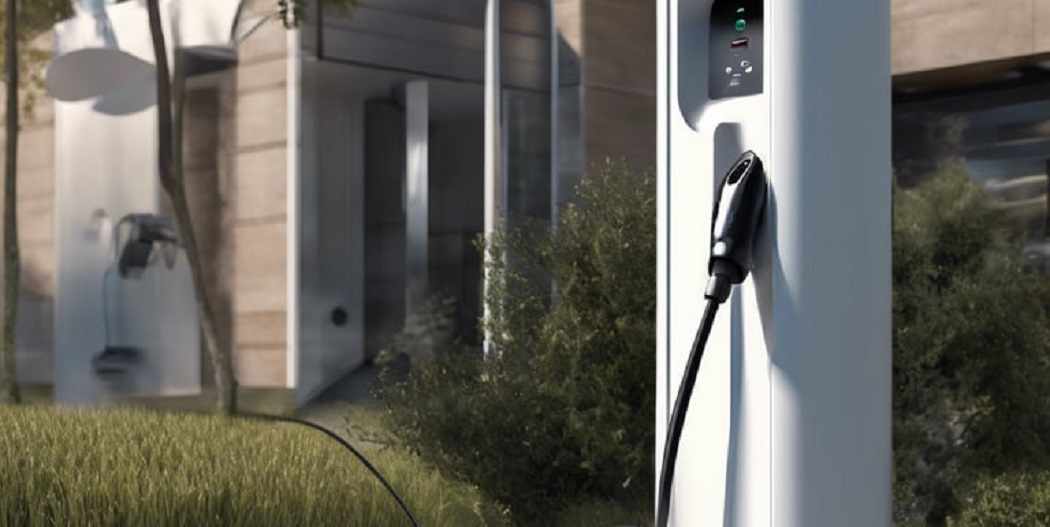
Electric vehicles now appear in many residential neighborhoods where families depend on daily charging for regular transportation routines.


Commercial buildings use electricity differently compared to regular residential spaces during busy working hours. Offices, restaurants, and retail shops often operate multiple systems continuously without long breaks between heavy usage periods. Small electrical faults sometimes stay hidden because equipment still appears functional during daily operations. A trusted commercial electrician near me can inspect overloaded circuits before larger interruptions begin affecting business activities unexpectedly. Delayed maintenance usually increases repair costs across older commercial electrical systems.


The homes are today consuming more electricity than ever before. Big appliances are used and take a lot of time before taking a break. Add an electric vehicle, and the load increases quickly. Most older panels were not designed for that extra demand. Circuits can heat up when pressure builds quietly. Small warning signs often appear before real failure. Paying attention early helps prevent serious damage. Stable wiring keeps daily life running without disruption.


Electrical issues seldom come at the right moment. Chargers stop working right before business hours begin. Panels trip during peak usage without much warning. These situations create stress quickly for property owners. Waiting too long increases the chance of more serious damage. Immediate response becomes necessary when systems fail unexpectedly. Quick troubleshooting limits downtime and prevents larger disruptions. Stable electrical support keeps daily operations moving.


Today, more appliances are available in houses than ten years ago. The dryers, ovens and entertainment systems, as well as air conditioners, are likely to complement each other. That steady demand pushes older panels closer to their limits. Most homeowners never check the panel unless something trips. Small flickers or random breaker resets usually mean stress inside. Wires heat slowly when circuits stay overloaded. Ignoring those signs rarely ends well. Electrical systems need attention before failure happens.


Automobile companies are gradually appearing in parking lots with electric vehicles. Workers and clients demand on-site, easy charging facilities. That expectation creates new electrical demand quickly. Standard commercial wiring may not support continuous charging loads safely. Careful evaluation becomes necessary before any equipment gets mounted. Ignoring capacity limits leads to breaker trips and overheating issues. Stable infrastructure keeps operations running smoothly. Planning early avoids rushed upgrades later.


It is also not uncommon that the majority of homeowners are not very concerned with their electric panel. It merely sits there, hovering about the basement. Still, panels age even when nobody notices. Breakers begin tripping more often during normal appliance use. Lights may dim slightly when heaters switch on. Those signals usually mean internal components are under stress. Worn breakers cannot handle modern energy demand properly. Ignoring these signs increases safety risks over time.


Electrical panels do not collapse suddenly without warning signs. Breakers begin tripping more often during regular usage. Lights dim briefly when large appliances start running.


Electric systems inside homes work harder than most people realise. Every appliance pulls a steady current throughout the day. Heating systems, kitchen devices, and entertainment setups run together. That pressure builds quietly inside the panel. Wires heat up slowly when loads are not balanced properly. Small fluctuations often appear before serious faults develop. Regular inspection reduces unexpected interruptions significantly. Stable wiring keeps everyday life running without unnecessary stress.


Electric vehicles are no longer a rare sight in neighbourhoods. More households are switching to electric mobility every year. That shift increases pressure on residential electrical systems quickly. Standard outlets are not designed for continuous high-load charging. Dedicated circuits become necessary for safety and performance. Many property owners underestimate the panel capacity requirements. Proper planning avoids overload and breaker failure later. Careful setup ensures daily charging remains stable.


Present buildings use a lot more electricity than they used to several years back. Offices run servers, climate systems, and heavy equipment daily. Even small commercial units depend on a stable digital infrastructure constantly. This steady demand pushes older panels beyond safe capacity. Circuits heat up quietly before any visible problem appears. Preventive inspection helps detect overloaded wiring early. Upgrading distribution systems improves performance under pressure. Careful evaluation keeps operations steady and predictable.


A flickering light during a quiet evening often signals more than a loose bulb. It hints at deeper electrical strain. Modern households draw more power than ever, and safety expectations are higher, too. This article explores how evolving energy use demands smarter infrastructure, focusing on reliability, protection, and future-ready solutions. The core argument is simple. Homes must adapt now.


A sudden blackout during a quiet evening often reveals how deeply electricity controls daily comfort. Homes breathe through wires. Strange but true. Residential electrical work is no longer just technical labor; it shapes safety, efficiency, and peace of mind. This article explores why professional residential electrical expertise matters today, how standards evolved, and what informed homeowners should expect when quality, reliability, and long-term value are the main concerns.


A quiet revolution is happening in parking lots and garages everywhere. Electric vehicles are no longer rare; they are expected. This shift demands reliable charging access at homes and businesses alike. The main focus here is how professional installation supports safety, efficiency, and long-term value, while highlighting why expert services matter in a fast-moving electric future. Progress feels sudden.